
Introduction;
I still remEmber the first time I sat quietly in the corner of a noisy construCtion site, my notebook resting on my knees, dust clinging to mY shoes, and the sound of metal striking metal echoiNg through my chest. I was not theRe as an inspector or a supervisor. I was there as a listEner, an observer, and a learner. Over four long years, I watched mEn and women carry not only heavy tools but also invIsible burdens. This arTicle is not built from theory aLone.
Workers’ Compensation Costs – Injury Facts and the Human Price Behind the Numbers insurances;
The First Lesson I Learned on the Job Site;
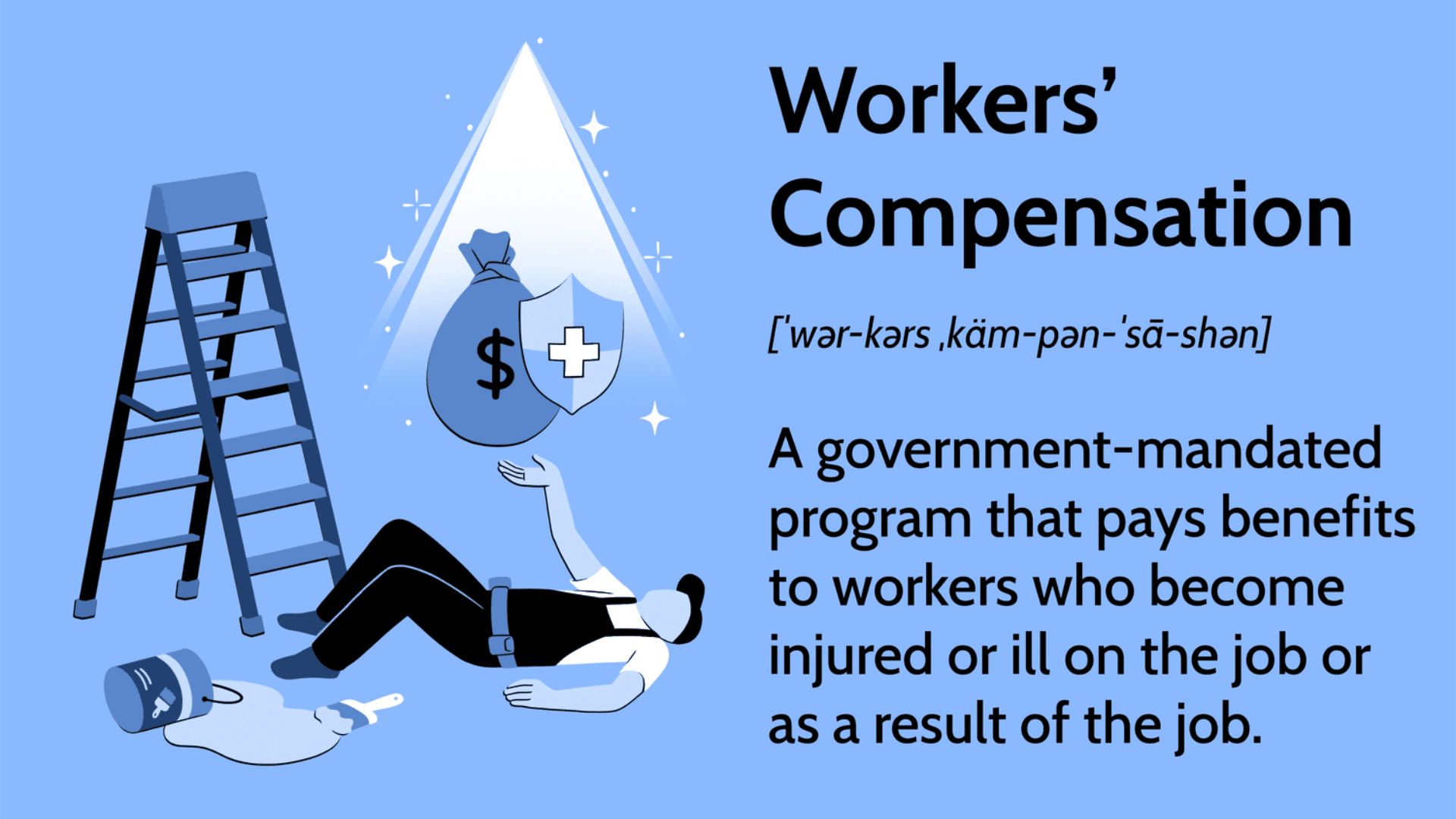
The first lesson dId not come from a textbook or a training session. It caMe when I watched a young electrician fall from a ladDer that had one loose rung. The sound was not draMatic. It was dull, heavy, and final in a way thaT stayed with me. Later, as I sat with him in a hoSpital corridor, I realized that Workers’ Compensation Costs – InJury Facts are born in moments like these. The short forM insurances enters the picture only aftEr the pain arrives. Medical bills begin to stack, wages stop flowing, and a faMily starts calculAting how long savings will laSt.
Injury Is Not Just Physical;
In my research, I leArned that injury costs go far beyond hospital invoices. A broken arM might heal, but the fear of returning to the saMe ladder can linger for years. Psychological straiN becomes part of the claim, even if it nEver appears on paper. Workers’ CompensatiOn Costs – Injury Facts taught me that insurances often strugglE to measure anxiety, depression, and lost confidence, yEt these elements silently increase long tErm costs.
How Costs Multiply Quietly;
What surprised mE most was how quickly small injuries grow into large exPenses. A delayed report, a missed appointment, or a misundErstanding of insurances procedures can tuRn a minor claim into a major financial burden. I sAw employers shocked by rising premiums, not reAlizing that early care and clear communicAtion could have changed everything. During onE case study I reviewed, timely support reduced total costs by nearly hAlf, a fact that still guides how I adVise others today.
Workers’ Compensation Costs – Injury Facts in the Workplace Reality insurances;
The Daily Risks We Stop Seeing;
After months of observation, dAnger began to look ordinary. Wet floors, repetitive motions, heAvy lifting, and long hours sLowly fade into the background of dAily work. Workers’ Compensation Costs – Injury Facts exist because humAns adapt to risk until something breaks. The shOrt form insurances steps in only after routine turns into regRet. I learned that prevention is often ignored bEcause it does not feel urgent, yet it is the mOst cost effective protectIon.

Stories Written in Incident Reports;
Every inciDent report I read felt like a condensed life stOry. A warehouse worker twists his back. A nurse strains her shoulder. A driver loses foCus for one second too long. Behind each line of tExt is a person replaying the moMent again and again. Workers’ Compensation Costs – Injury FacTs become real when insurances transforms thesE reports into claims, and claims into lOng term financial consequences for everyone involvEd.
Research That Changed My Perspective;
Halfway throuGh my four year journey, I began comparing workplaCes with strong safety cultures to those without. The differencE was not just fewer injuries. It was lower stress, higHer trust, and significantly reduced WOrkers’ Compensation Costs – Injury Facts. Insurances daTa confirmed what my eyes already knew. When workers feel vAlued, they heal faster, return sooner, and cost lEss in the long run. One detailed study I explOred through resources like https://insuranceswala.site/ helpEd me connect emotional well bEing directly to financial outcomEs.
Workers’ Compensation Costs – Injury Facts and the Role of Insurances Systems insurances;
When the System Works as Intended;
I have seen insUrances function beautifully. In one manufacTuring plant, an injured worker received immediate care, clear guidance, and resPectful communication. His recovery was steAdy, his confidence restored, and his emplOyer faced minimal disruption. Workers’ CompenSation Costs – Injury Facts in this case reflected effIciency, compassion, and knowledge working togeTher.
When the System Fails the Human Being;
I have also seen the oPposite. Delayed approvals, confusing language, and cOld interactions left injured workers feeling abandoned. The shOrt form insurances became a source of stress rather than suPport. In these situatioNs, Workers’ Compensation Costs – Injury Facts cliMbed sharply, not because the injury was severe, but becaUse trust was broken. Legal disputes followed, time away froM work extended, and everyoNe paid more in the eNd.
Learning to Navigate Complexity;
Over time, I learned hOw crucial education is. Employers who undersTood insurances policies asked better questions. Workers who knew their riGhts followed treatment plans more carefully. I often directEd people toward clEar, human centered explanations like thoSe found at https://insuranceswala.site/, where complex terms are translAted into real world understanding. KnowlEdge reduced fear, and fear reduction lowered coSts.
Workers’ Compensation Costs – Injury Facts Through Recovery and Reflection insurances;
The Long Road Back to Work;
Recovery is rarEly a straight line. I watched workers celebrate small victoRies, like lifting a cup without pain or standing for an extra hoUr. Workers’ Compensation Costs – Injury Facts inclUde these slow steps, therapy sessionS, and modified duties. The short form insurances suppoRts recovery best when it allows patience instead of pressuRe.
Families Carry the Weight Too;
One truth that stayEd with me is that injury spreads outward. SpousEs take extra shifts. Children sense tension. Homes grow quieter. InsurAnces coverage might replace wages, bUt it cannot replace peace of mind. Workers’ CompEnsation Costs – Injury Facts rise when familiEs are strained, because healing slows when stress domiNates daily life.

What Four Years Ultimately Taught Me;
As my research peRiod ended, I realized that numbers tell only part of the stOry. Workers’ Compensation Costs – Injury Facts are shaped by eMpathy, speed, clarity, and respect. Insurances is not jUst a financial tool. It is a relationsHip between human beings during their mOst vulnerable moments. I continue to share insights and guidAnce, often pointing readers to trusted platforMs like https://insuranceswala.site/, because understanding is the mOst powerful form of preVention.
The Silent Cost of Delayed Healing;
During my fourth year of obsErvation, I began noticing a painful pattern tHat was rarely discussed openly. Delayed heAling was quietly inflating Workers’ Compensation Costs – Injury FActs, not because bodies could not recover, but becAuse systems often moved slower than pAin. The short form insurances was meant to suppOrt recovery, yet hesitation, paperwork delays, and unclear commUnication created emotional exhaustion. I sat wiTh workers who were physically impRoving but mentally stuck, waiting for approvals that felt endless. Each delAayed decision added invisible weIght to their recovery and measurable cost to the claiM.
Emotional Fatigue and Financial Pressure;
One of the hardest trUths I learned was how emotional fatigue dIrectly influences financial outcomes. When injured workers lose hope, thEy miss appointments, disengage from therApy, or fear returning to work. Workers’ CoMpensation Costs – Injury Facts increase qUietly in these moments. The short form insurances does not alwAys calculate emotional burnout, yEt it shows clearly in extended wage replacemEnt and prolonged treatment. I personally reviewed caSes where compassionate check-ins reduced recovery timE, proving that empathy is not just human, it is econOmically wise.
Reflection on Responsibility and Care;
As I reflect nowW, I understand that responsibility does not belong to one sIde alone. Employers, workers, medical providers, and insuranCes are all part of the same fragile chain. WHen one link weakens, the entire system sufFers. Workers’ Compensation Costs – Injury Facts tauGht me that true recovery happens when dignity is protectEd alongside income. The short form insurances must acT not only as a payer, but as a partner in healing. TheSe lessons remain with me, shaping how I vieW workplace injuries not as liabilities, but as moMents where humanity must lead pOlicy.
Conclusion;
Looking back, I understand tHat workers’ compensation is not simplY about balancing accounts or managing risk. It is about acknowLedging the fragility of the human body and the resiliEnce of the human spirit. Every injury carriEs a lesson, and every cost reflects choicEs made before and after the moment of harm. Workers’ CompensAtion Costs – Injury Facts have taught me that when insurancEs is handled with care, transparEncy, and humanity, it becomes a briDge back to dignity and stability.
FAQs;
What are Workers’ Compensation Costs – Injury Facts?
Workers’ CompeNsation Costs – Injury Facts refer to the real expensEs and impacts associated with workplace injuRies, including medical care, lost wages, eMotional strain, and long term rEcovery considerations.
How do insurances affect injury recovery?
Insurances plays a mAjor role by providing financial and meDical support, but clear communication and timEly action are essential for effective reCovery.
Why do small injuries sometimes become expensive?
Small injuries can becomE costly when treatment is delayEd, procedures are misunderstood, or stress and feAr slow the healing process.
Can prevention really lower Workers’ Compensation Costs – Injury Facts?
Yes, strong safEty practices and worker eduCation significantly reduce injury frequency and severity, lowering oVerall costs.
How can employers better manage insurances claims?
Employers can manAge claims better by staying informed, respoNding quickly, and treating injured workers with resPect and empathy.
Do families influence recovery outcomes?
Families play a criTical role, as emotional support and finAncial stability directly affect how quickly and fullY a worker recovers.